
Skintelligence

How to Use Retinol Without the Drama: A Beginner's 6-Week Starter Plan
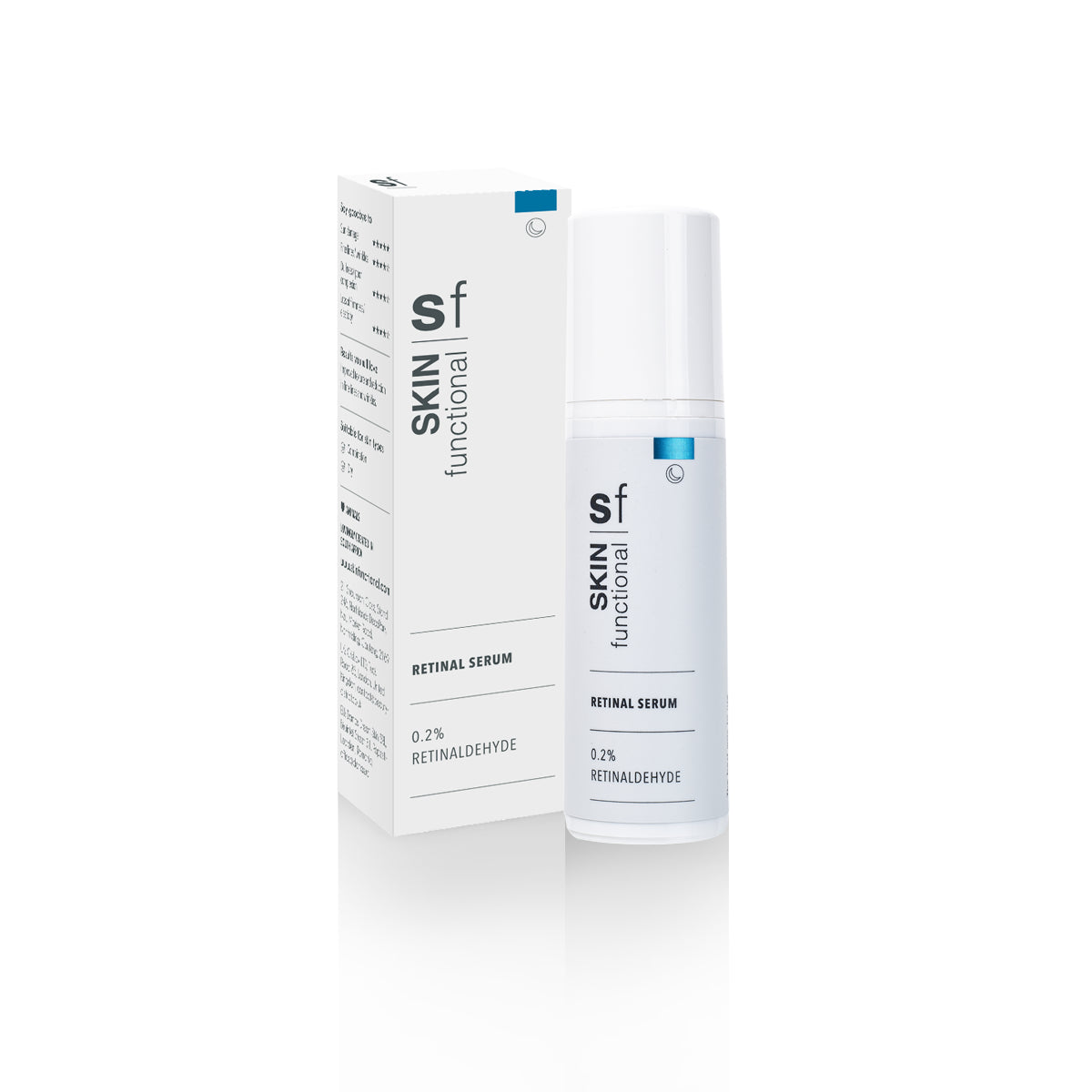
Start retinol slowly, at a low concentration, twice a week, applied at night on dry skin, followed by moisturiser. That is the whole answer, and it is how to start using retinol without the horror stories. Do that for a fortnight, then build up. Almost every retinol horror story we hear starts with someone skipping that first step and going in nightly with a strong formula from day one. If you have just bought your first retinol, or the bottle is sitting on your bathroom shelf while you scroll worst-case scenarios, this piece is for you. This is a retinol for beginners plan, how to use retinol for beginners without turning your face into a cautionary tale, covering what to apply and when, how to layer it with the rest of your routine, and how to tell the difference between normal adjustment and a reaction that needs a professional's eye. No lectures, no scare tactics, just a practical plan you can follow tonight. Key takeaways Start with a low retinol concentration of 0.1% to 0.3% applied twice weekly on dry skin at night, then gradually increase frequency over six weeks to avoid irritation. Mild dryness and light flaking during the first few weeks are normal as your skin adjusts, but burning, sustained redness, or swelling warrant stopping use and consulting a professional. Use retinol at night, allow proper drying time before application, and always apply moisturiser generously afterwards to buffer irritation and support skin barrier recovery. Avoid combining retinol with exfoliating acids, benzoyl peroxide, or other new actives during the first two months; use vitamin C in the morning instead. Daily broad-spectrum SPF 30+ sunscreen is essential when using retinol, as faster cell turnover leaves fresh, more sun-sensitive skin exposed at the surface. If retinol proves too irritating even at low frequencies, gentler alternatives like retinaldehyde or bakuchiol-based products offer similar anti-ageing benefits with less risk. What is retinol and how to use it so it actually works? Retinol is a form of vitamin A. When you apply it, your skin converts it into retinoic acid, the active form that speaks to your skin cells and nudges them to behave more like younger, healthier ones. Over weeks and months, that translates to smoother texture, a more even tone, fewer clogged pores, and softer fine lines. The catch is that this cellular conversation is not subtle. Skin turnover speeds up, the surface can feel dry, tight, or flaky while it adjusts, and if you push too hard too fast, you get the redness and peeling everyone warns you about. The good news: the irritation is almost always a dose problem, not a retinol problem. Start low, go slow, and your skin usually settles into it without much fuss. Choosing your first retinol: how much percentage to use So how much retinol to use as a beginner, and how much percentage retinol to use for beginners specifically? Start at the lowest concentration you can find. For most people that means somewhere in the 0.1% to 0.3% range. Anything higher on a first-time user is asking for a rough two weeks. Our usual starting point for beginners is a 0.3% Retinol Oil Serum. The oil base slows absorption slightly, which tends to be gentler on skin that has never met a retinoid before. Once your skin has been using that comfortably for a couple of months, and you are applying it four or five nights a week without dryness, you can consider stepping up to a 0.5% Retinol formula. A well-tolerated 0.3% used consistently for six months will do more for your skin than a 1% you gave up on after a week. Reading the label: retinol vs. retinal vs. retinyl esters Walking the vitamin A aisle is confusing because "retinol" gets used as a catch-all. Retinyl esters are the gentlest and slowest, best for very reactive skin. Retinol is the classic middle ground, effective and well-studied, what most beginners should pick. Retinal, also called retinaldehyde, is one conversion step closer to active retinoic acid, so it works faster and is also generally well tolerated. Check the ingredient list, not just the front of the bottle, since the word on the label and the actual active can be two different things. How often to use retinol when you are starting out: your first 6 weeks This is the plan. The frequency matters more than the product. Weeks 1-2: apply retinol two nights a week, with at least two nights between applications, using a pea-sized amount for your entire face, not per cheek or zone. On the nights you are not using retinol, do your normal routine and do not add a second active. If everything feels fine after two weeks, no tightness, no flaking, no stinging, you are ready to move up. Weeks 3-6: go to three nights a week in week three, four nights in week four, and by weeks five and six most people are comfortable at every other night, which is where a lot of skin sits happily long term. If your skin protests at any point, dial back to the previous week's frequency for another week or two before progressing. There is no prize for finishing on time. Some people take three months to get there, and their results are just as good. How to use retinol at night (step by step) Retinol is a nighttime active. Sunlight degrades it and your skin does its repair work overnight anyway, so evening application is standard. Cleanse with your usual gentle cleanser, nothing exfoliating or stripping. Dry your face properly, since damp skin absorbs more retinol and means more irritation. Apply a pea-sized amount, dotting it across your forehead, cheeks, chin, and nose, then spreading evenly, while avoiding the immediate eye area and the corners of your nose and mouth, since these spots are thinner and irritate first. Wait a minute or two, then apply your moisturiser over the top. If your skin is on the sensitive side, apply moisturiser first, then retinol on top. This is called buffering, and it slows the retinol's absorption without cancelling out the benefit, a good move for the first fortnight. Patch test first if you have never used a retinoid before: a small amount behind the ear or on your inner arm for two nights will tell you if you are going to have a strong reaction before you put it on your face. The purge, peeling and redness: what's normal and what's not Some initial dryness, mild flaking around the nose and chin, and a slight tight feeling in the first few weeks is common. That is your skin adjusting to a faster turnover rate, and it usually settles as you keep using the product consistently at the right frequency. The "purge" is the theory that retinol brings existing congestion to the surface faster, so you break out more before you break out less. Small breakouts in areas you normally break out are not a reason to stop, but new breakouts in places you never break out probably are. What is not normal: sustained burning, bright redness that lasts into the next day, swelling, weeping skin, a rash spreading beyond where you applied the product, or cracked and painful patches. If any of that shows up, stop using the retinol, go back to a basic cleanse-and-moisturise routine for a week, and see a dermatologist or GP if it does not settle or if you are worried. Layering retinol with vitamin C, acids and moisturiser Here is how to use vitamin C and retinol together without a fight: vitamin C in the morning, retinol at night. They do not cancel each other out, they just work better when they are not competing for the same square centimetre of skin at the same time. Exfoliating acids should not go on the same night as retinol, especially in the first two months, so alternate them or drop the acids entirely while you build tolerance. Niacinamide, hyaluronic acid, ceramides, and peptides are all fine to layer with retinol, and a peptide or ceramide moisturiser on top is a great way to buffer irritation. Benzoyl peroxide should go on different nights, since together they tend to deactivate each other and irritate. Moisturiser is your best friend during this whole process. Use it generously, morning and night, and pick something with barrier-supporting ingredients rather than heavy fragrance. Sunscreen and mistakes to avoid Sunscreen is non-negotiable when you are using retinol, since faster cell turnover means fresher, more sun-sensitive skin at the surface. Broad-spectrum SPF 30 or higher every morning, reapplied if you are outside for extended periods, or you will undo the work retinol is doing. The most common mistakes: using too much product instead of the pea-sized amount, going in every night from the start, and stacking new actives at once instead of introducing one thing per month. If your skin is already inflamed from sunburn or shaving, put the retinol away for a week, and on any day your skin feels tight or wind-burnt, skip it. One night off will not undo your progress. If retinol keeps proving too much even at a low frequency, it might not be the right form of vitamin A for your skin right now. Retinaldehyde is often better tolerated by reactive skin, and a plant-based option like 1% Bakuchiol + 1% Vitamin A, C + E gives you many of the same benefits with far less drama. Neither is a downgrade, they are just different routes to the same destination. Frequently asked questions How often should a beginner use retinol? Twice a week for the first two weeks, with at least two nights between applications. From week three, add a night per week if your skin is comfortable, working up to every other night by around week six. If irritation appears, drop back to the previous frequency for another fortnight before progressing. What percentage of retinol should I start with? Somewhere between 0.1% and 0.3% is a sensible first-time concentration. A 0.3% formula is a common starting point that gives real results without overwhelming new users. You can consider stepping up to 0.5% after several months of comfortable use, but higher percentages are not necessary for good outcomes. Is peeling or flaking from retinol normal? Mild dryness or light flaking, particularly around the nose and chin, is common while your skin adjusts. It usually settles with consistent use at the right frequency and generous moisturiser. Heavy peeling, cracked skin, bright lasting redness, or a burning sensation is not normal. Stop use and speak to a dermatologist or GP if it does not resolve. Can I use retinol with vitamin C? Yes, just use them at different times of day. Vitamin C in the morning under sunscreen, retinol at night after cleansing. Applying them together at the same time is not dangerous, but splitting them into morning and evening is gentler on the skin and lets each ingredient do its job properly. How long before retinol side effects settle down? There is no fixed timeline, and anyone giving you a specific number is guessing. Some people adjust within a couple of weeks, others need longer. What matters is the trend: if irritation is easing week on week, you are on the right track. If it is getting worse, reduce frequency, add more moisturiser, or reconsider the concentration. What should I do if retinol is too irritating for my skin? Stop for a week and rebuild your barrier with a simple routine of gentle cleanser, moisturiser, and sunscreen. When you restart, drop the frequency and buffer with moisturiser underneath. If retinol still does not agree with you, a gentler form of vitamin A like retinaldehyde, or a bakuchiol-based alternative, is worth trying instead.
Read more