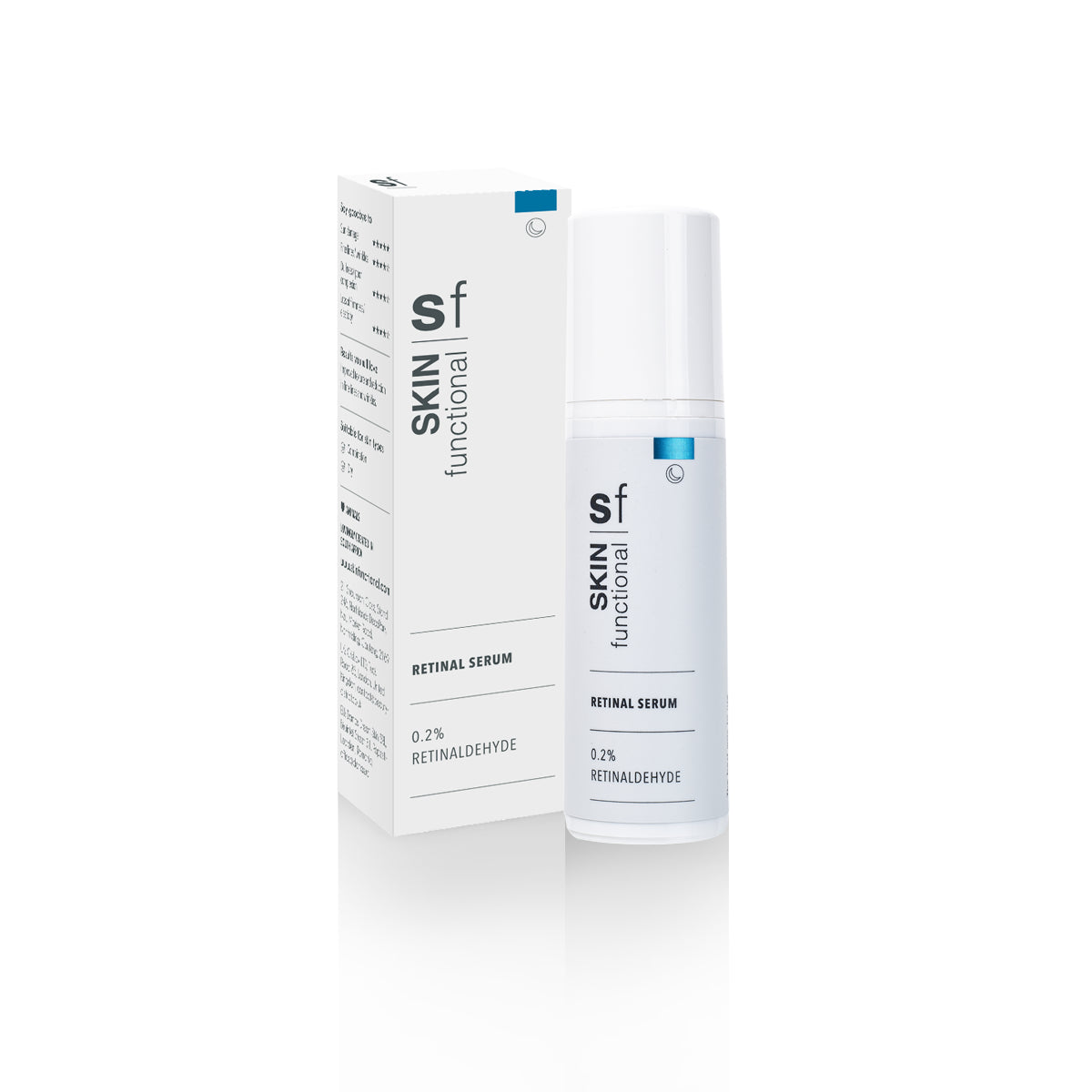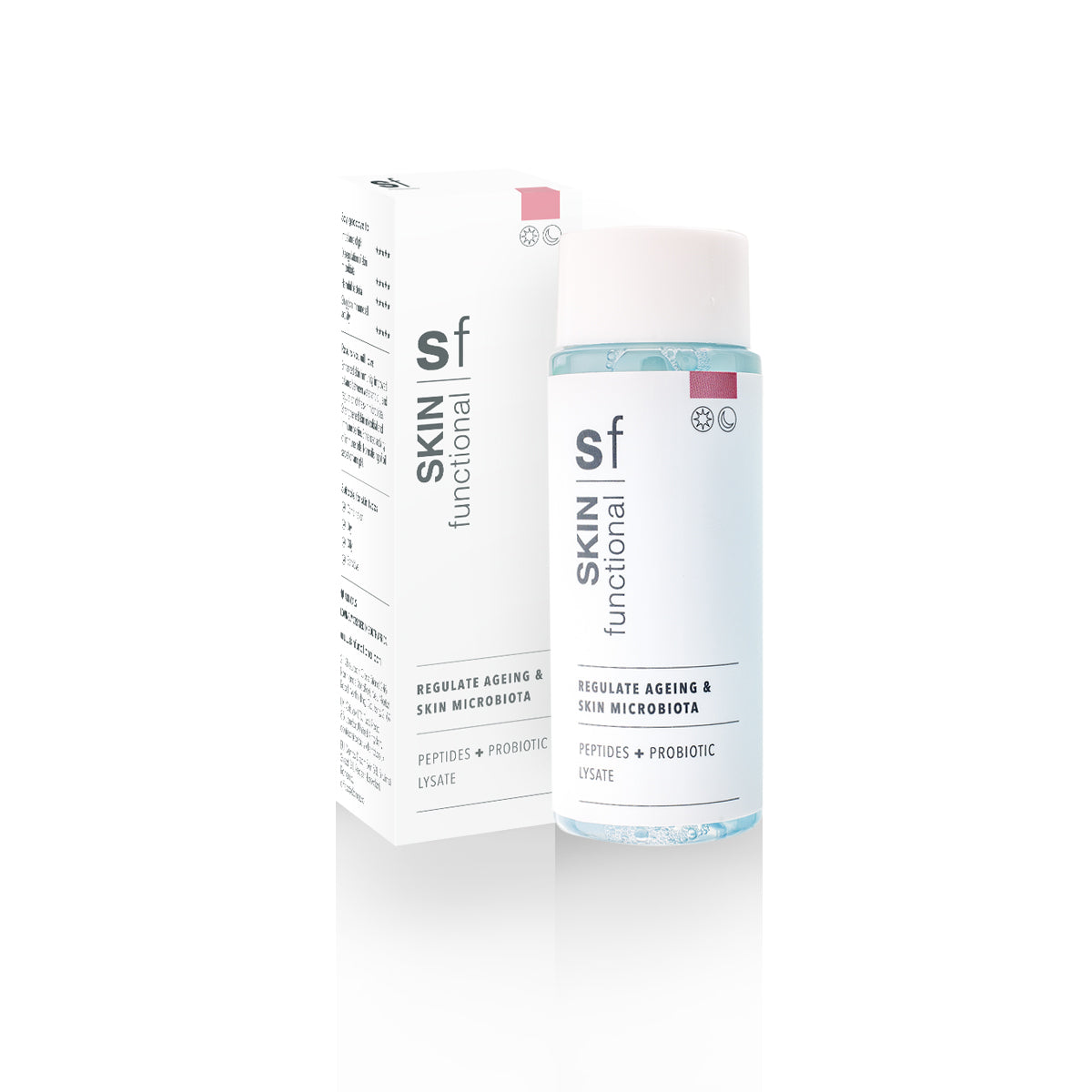

If you've been scrolling skincare TikTok lately, you've probably noticed amino acids quietly stealing the spotlight from louder actives. At the top of that list sits Arginine, a humble building block of protein that's earning serious credibility for calming, hydrating, and smoothing stressed skin. So when shoppers ask us about the best arginine serum for South African weather, hard water, and concern-led routines, we don't blame them for being curious.
Here's the short version: arginine is a foundational amino acid your skin already recognises. It buffers harsh actives, supports your natural moisturising factor, and helps the barrier bounce back. In this guide, we'll unpack what it does, how it differs from the popular argireline serum, who benefits most, and how to layer it without overwhelming your face.
What Is Arginine and Why It Matters in Skincare
Arginine (L-arginine) is a semi-essential amino acid found naturally in the skin's Natural Moisturising Factor (NMF), the cocktail of humectants inside your stratum corneum that keeps cells plump and pliable. In cosmetic formulations, it's listed on the INCI as simply Arginine and typically appears at concentrations between 0.2% and 5%.
What makes it genuinely interesting (not just marketing-interesting) is its amphoteric behaviour. Arginine carries a positive charge at skin's natural pH, which lets it interact with anionic actives like AHAs and vitamin C. That interaction forms what formulators call an Amphoteric Hydroxy Complex, essentially a slow-release buffer that softens the sting of acids without dulling their exfoliating power.
Beyond pH chemistry, arginine is a precursor to nitric oxide, urea, and proline. Translation: your skin uses it as raw material for repair, hydration, and collagen scaffolding. That's why we treat it less like a trend and more like a foundational support ingredient.
Key Arginine Benefits for Skin
The arginine benefits list is broader than most influencers let on. It's not a single-trick active, it's a multi-tasker that works quietly in the background while louder ingredients do the heavy lifting.
Hydration, Barrier Support, and Soothing Redness
Because arginine is part of your skin's NMF, it slots into the stratum corneum and helps regulate water content from within. It encourages the skin to generate more urea and proline, both critical for lipid resilience and that bouncy, well-fed look we associate with healthy barriers.
For reactive or rosacea-prone skin, arginine's nitric oxide pathway helps modulate micro-circulation and calm flushing. We've seen it pair beautifully with niacinamide and panthenol for clients who flinch at anything stronger than a moisturiser. If your skin tightens after cleansing, stings under sunscreen, or flushes at the gym, this is the kind of ingredient that quietly fixes the foundation.
Fine Lines, Elasticity, and Wound Healing
Arginine's role in protein synthesis means it directly supports collagen and elastin production. Studies in dermatological literature link topical arginine to improved wound healing, faster resolution of post-inflammatory marks, and better recovery in barrier-compromised skin (see PubMed research on arginine and cutaneous repair).
For acne-prone users, this matters because the after-mark, the brown or red ghost of a pimple, often outlasts the pimple itself. Arginine accelerates cell proliferation in those healing zones, which is why we recommend it for anyone juggling active breakouts and lingering PIH at the same time.

Arginine vs. Argireline Serum: Clearing Up the Confusion
These two get mixed up constantly, and we get it, the names are almost twins. But chemically, they're doing very different jobs.
Arginine is a free amino acid. Small, simple, naturally occurring. It hydrates, buffers acidic actives, and supports barrier repair. It's gentle enough for daily use and works synergistically with almost everything in your routine.
Argireline (INCI: Acetyl Hexapeptide-8) is a synthetic peptide chain modelled to mimic part of the SNAP-25 protein. Its claim to fame is a mild, topical neuromuscular-relaxing effect on expression lines around the eyes and forehead, sometimes nicknamed "topical Botox," though the comparison is generous. An argireline serum is a wrinkle-focused product: an arginine serum is a barrier-and-buffer foundation.
If your goal is hydration, redness, and overall skin resilience: choose arginine. If you're targeting expression lines specifically, argireline (often paired with Matrixyl) is the more direct route. Many of our customers eventually use both, just at different stages of their routine.
How to Choose the Best Arginine Serum for Your Concern
Choosing the best arginine serum isn't about picking the highest percentage on the shelf. It's about matching concentration, format, and supporting actives to your actual concern. A barrier-repair formula looks very different from an anti-ageing one.
Start with the concern, then read the INCI. If you're dealing with sensitivity or post-acne redness, look for arginine sitting alongside niacinamide, panthenol, or centella. If you're chasing elasticity, you want it formulated with peptides or growth factors. If you're using strong acids, arginine in the same routine, even in a separate product, acts as a built-in buffer.
Optimal Concentrations and What to Look for on the INCI List
For topical efficacy, arginine generally performs best between 0.5% and 3%. Higher isn't always better: above 5%, you're usually paying for pH-adjusting filler rather than added skin benefit.
Check for:
- Arginine listed in the top 5-8 ingredients (a sign it's functional, not decorative)
- A stated pH between 5.0 and 6.5 for barrier-friendly compatibility
- Supporting humectants like glycerin, sodium hyaluronate, or panthenol
- No alcohol denat. in the first half of the list if you're sensitive
- ISO 22716 or EU Cosmetic Directive compliance for manufacturing standards
Transparent brands publish all of this. If a label hides the percentage or pH, that's your cue to keep scrolling.
Pairing Arginine With Niacinamide, Peptides, and Vitamin C
Arginine is one of the easiest actives to layer because it's pH-flexible and non-reactive. Think of it as the diplomat in your routine, it gets along with almost everyone.
With niacinamide (4-10%): A barrier-strengthening power couple. Niacinamide regulates sebum and brightens: arginine reinforces NMF and calms redness. This combination suits oily-sensitive, post-acne, and rosacea-prone skin.
With peptides: Arginine amplifies peptide performance by keeping the barrier hydrated and receptive. Our Matrixyl + EGF + Peptides Serum pairs especially well with an arginine-rich layer underneath, since hydrated skin signals better and absorbs more efficiently.
With vitamin C (L-ascorbic acid): This is where the Amphoteric Time-Release Matrix shines. Arginine softens the low pH of ascorbic acid, reducing the prickle without compromising antioxidant activity. If pure vitamin C has historically stung you, a base layer of arginine serum can change the experience entirely.
With AHAs/BHAs: Same logic. Arginine buffers acid absorption, so your exfoliation feels less aggressive while still doing its job overnight.
How to Use an Arginine Serum in Your AM and PM Routine
Arginine is low-drama, which means you can fit it into almost any routine without rearranging the rest. Here's how we typically sequence it.
AM Routine:
- Gentle cleanser
- Arginine serum (2-3 drops, pressed in)
- Niacinamide or vitamin C (optional)
- Moisturiser
- SPF 30-50 (non-negotiable, especially in SA's UV index)
PM Routine:
- Double cleanse if you've worn SPF or makeup
- Treatment active, retinoid, AHA, or azelaic acid
- Arginine serum as a buffer layer (this is the magic step for sensitive users)
- Peptide or repair serum
- Occlusive moisturiser or sleeping mask
Apply to damp skin for better absorption. Frequency-wise, arginine is safe for daily AM and PM use, there's no purge phase, no acid-related sensitivity, and no UV restriction. For beginners, start once daily for a week, then move to twice daily once your skin confirms it's happy.
Who Should Try Arginine: Sensitive, Dehydrated, and Ageing Skin
Arginine is one of the rare actives we recommend across almost every skin type, but a few cohorts feel the difference fastest.
Sensitive and reactive skin: If you flush easily, react to fragrance, or have rosacea-adjacent symptoms, arginine's nitric oxide pathway helps regulate that micro-vascular response. It's also pregnancy-safe, which makes it a reliable pick when your usual retinoids are off the table.
Dehydrated skin: Anyone who lives under air-conditioning, swims regularly, or deals with Highveld winter air will notice arginine's NMF-aligned hydration within days. It's not a quick gloss-up; it's structural hydration that lasts.
Ageing and elasticity-focused skin: Because arginine feeds collagen and elastin synthesis, it works as a foundational layer beneath peptides and growth factors. Combined with consistent SPF and a peptide serum at night, it forms part of a credible long-game anti-ageing routine.
Acne and PIH-prone skin: The wound-healing pathway makes it ideal for fading post-breakout marks without irritation. It plays well with azelaic acid, salicylic acid, and benzoyl peroxide, all common in acne protocols.
The only group who won't see dramatic single-product results is anyone expecting it to act like a retinoid or peptide on its own. Arginine is a team player. Build the team around it, stay consistent for 8-12 weeks, and you'll see what the quiet hype is about, calmer mornings, less reactivity, and skin that finally tolerates the actives it used to fight.
Frequently Asked Questions About Arginine Serum
What is arginine serum and what does it do for skin?
Arginine serum is a skincare product containing L-arginine, a semi-essential amino acid naturally found in skin's Natural Moisturising Factor. It hydrates, buffers harsh actives, supports barrier repair, and promotes collagen production, making it ideal for sensitive and ageing skin.
What's the difference between arginine serum and argireline serum?
Arginine is a free amino acid that hydrates and buffers actives, suitable for daily use. Argireline is a synthetic peptide designed to relax expression lines (similar to topical Botox). Choose arginine for barrier support; argireline for targeted anti-wrinkle effects.
How should I layer arginine serum with vitamin C or acids?
Apply arginine serum first on damp skin, then layer vitamin C or AHAs/BHAs on top. Arginine's amphoteric nature creates a slow-release buffer that softens the sting of acids while preserving their exfoliating effectiveness without irritation.
Can I use arginine serum if I have sensitive or rosacea-prone skin?
Yes, arginine is excellent for sensitive skin. It modulates micro-circulation through its nitric oxide pathway, calming flushing and redness. It's pregnancy-safe, non-irritating, and works beautifully with niacinamide and panthenol for reactive skin.
What concentration of arginine should I look for in a serum?
The optimal concentration for arginine serum is between 0.5% and 3%. Look for arginine listed in the top 5-8 ingredients, a pH between 5.0-6.5, and supporting humectants like glycerin or sodium hyaluronate for best results.
How long does it take to see results from using an arginine serum?
For dehydrated skin, results appear within days. For barrier repair and PIH fading, consistency over 8-12 weeks yields visible improvements. Arginine works best as a foundational layer combined with other actives; it's a team player, not a single-solution product.