
Acne is the single most-Googled skin concern in South Africa, and for good reason, it shows up on teen jawlines, adult chins, post-gym backs, and even on people who swear they have "dry" skin. The truth is messier than the marketing. Breakouts aren't simply a hygiene issue or an "oily skin problem," and the best acne products in South Africa aren't the ones that strip your face raw. They're the ones that respect your skin barrier, target the right pathway (sebum, bacteria, inflammation, or dead-cell buildup), and slot into a routine you'll actually stick with. In this 2026 guide, we decode what acne really is, the types of pimples on the face you might be dealing with, and the science-backed acne treatment routine that finally makes sense.
What Acne Really Is and Why It Happens
Acne vulgaris is a chronic inflammatory disorder of the pilosebaceous unit, the tiny structure that pairs a hair follicle with a sebaceous (oil) gland. Four mechanisms drive it, almost always at once:
- Excess sebum production, often nudged by androgens.
- Hyperkeratinization, dead skin cells stick inside the pore instead of shedding cleanly.
- Cutibacterium acnes proliferation, the resident microbe that overgrows in clogged, low-oxygen pores.
- Inflammation, which can precede the visible pimple by days.
Here's the part most brands skip: acne prone skin isn't only oily skin. Dry, dehydrated skin can hyperkeratinize too, trapping cells over a follicle and triggering a closed comedone. Strip that skin with harsh foams and you'll provoke reactive sebum and more flaking, a feedback loop that keeps breakouts coming back.
The Main Types of Pimples on the Face
Not every bump is the same lesion, and not every lesion responds to the same active. Knowing the types of pimples on face you're seeing is the fastest route to choosing the right treatment, and avoiding the wrong one.
Non-Inflammatory Lesions: Blackheads and Whiteheads
Blackheads (open comedones) and whiteheads (closed comedones) are the early stage of acne. The follicle clogs with sebum and corneocytes: if the surface is open to air, the oxidised plug darkens (that's not dirt, it's lipid oxidation). These respond best to keratolytics that physically dissolve the plug: salicylic acid (BHA) for oily congestion, and gentler mandelic or azelaic acid for sensitive skin.
Inflammatory Lesions: Papules, Pustules, Nodules, and Cysts
When the follicle wall ruptures, immune cells flood in. Papules are red, tender bumps; pustules carry a visible white head of pus; nodules sit deep and hard; cysts are large, painful, fluid-filled lesions that scar. Nodulocystic acne typically needs prescription-level intervention (oral isotretinoin, hormonal therapy). At home, anti-inflammatory actives like niacinamide and azelaic acid calm the redness while retinoids prevent the next cycle.

Common Triggers Behind Breakouts and Acne-Prone Skin
Breakouts rarely have a single cause. In South African clinics, dermatologists consistently flag a handful of recurring triggers:
- Hormonal shifts: Puberty, menstrual cycles, PCOS, pregnancy, and stopping hormonal contraception all swing androgen activity. Adult women often see flare-ups along the jawline and chin 7-10 days before menstruation.
- Stress and cortisol: Elevated cortisol amplifies sebum and inflammation.
- Diet patterns: High-glycaemic foods and skim dairy show the strongest evidence in peer-reviewed studies.
- Climate and sweat: Highveld dryness plus coastal humidity creates dehydrated-but-congested skin, a classic Joburg-to-Durban phenomenon.
- Comedogenic products: Heavy occlusives, certain silicones in haircare, and some sunscreens.
- Friction and occlusion (acne mechanica): Helmets, masks, gym straps, phone screens.
Microplotting your triggers for two cycles is more useful than any single ingredient swap.
Body Acne: Tackling Back Breakouts, Chest, and Shoulders
A back breakout (bacne), chest acne, and shoulder breakouts behave differently to facial acne. Sebaceous glands are larger, sweat lingers under clothing, and friction from gym kit or backpacks worsens occlusion. Malassezia folliculitis, often mistaken for acne, also clusters here and presents as uniform, itchy bumps.
A practical body protocol looks like this:
- Cleanse in the shower with a salicylic or glycolic acid body wash, leaving it on for 60 seconds.
- Follow with a leave-on BHA spray two to three nights a week. Our BHA Body Series - Skincare Set is built specifically for this, combining exfoliation with barrier-respecting hydration.
- Change out of gym clothes immediately: wash bedding and pillowcases weekly at 60°C.
- If lesions are uniform, itchy, and resist BHA, ask your GP about an antifungal, Malassezia needs a different protocol.
Building an Effective Acne Treatment Routine, Step by Step
The best acne products in South Africa earn their place by sequencing intelligently. We build routines around the AM defend / PM repair principle, with explicit compatibility rules so you don't stack irritants.
AM:
- Gentle cleanse, a microbiome-safe option like our 4% Ferment Filtrate Micellar Water Cleanser.
- Niacinamide or azelaic acid serum.
- Lightweight moisturiser for oily/combination skin; the Breakouts Moisturiser Oily, Combination Skin keeps the barrier intact without occluding.
- SPF 30-50, non-comedogenic.
PM (alternating nights):
- Cleanse.
- Treatment, BHA on one night (try the Ultimate Breakouts Treatment Tonic), retinoid on another, azelaic acid as a buffer night.
- Moisturiser.
New to actives? Start with a curated bundle. The Acne Skincare Set for Oily Skin and the Acne Skincare Set for Dry and Sensitive Skin remove the guesswork.
Hero Actives to Know: Azelaic Acid, BHA, Niacinamide, and Retinoids
- Azelaic acid (10-20%): Anti-inflammatory, anti-bacterial, and a tyrosinase inhibitor, meaning it clears active pimples while fading post-acne marks. Pregnancy-friendly.
- BHA / Salicylic acid (0.5-2%, pH 3-4): Lipid-soluble, so it penetrates oily plugs. Best for blackheads and oily congestion.
- Niacinamide (4-10%): Regulates sebum, reinforces ceramide synthesis, calms redness.
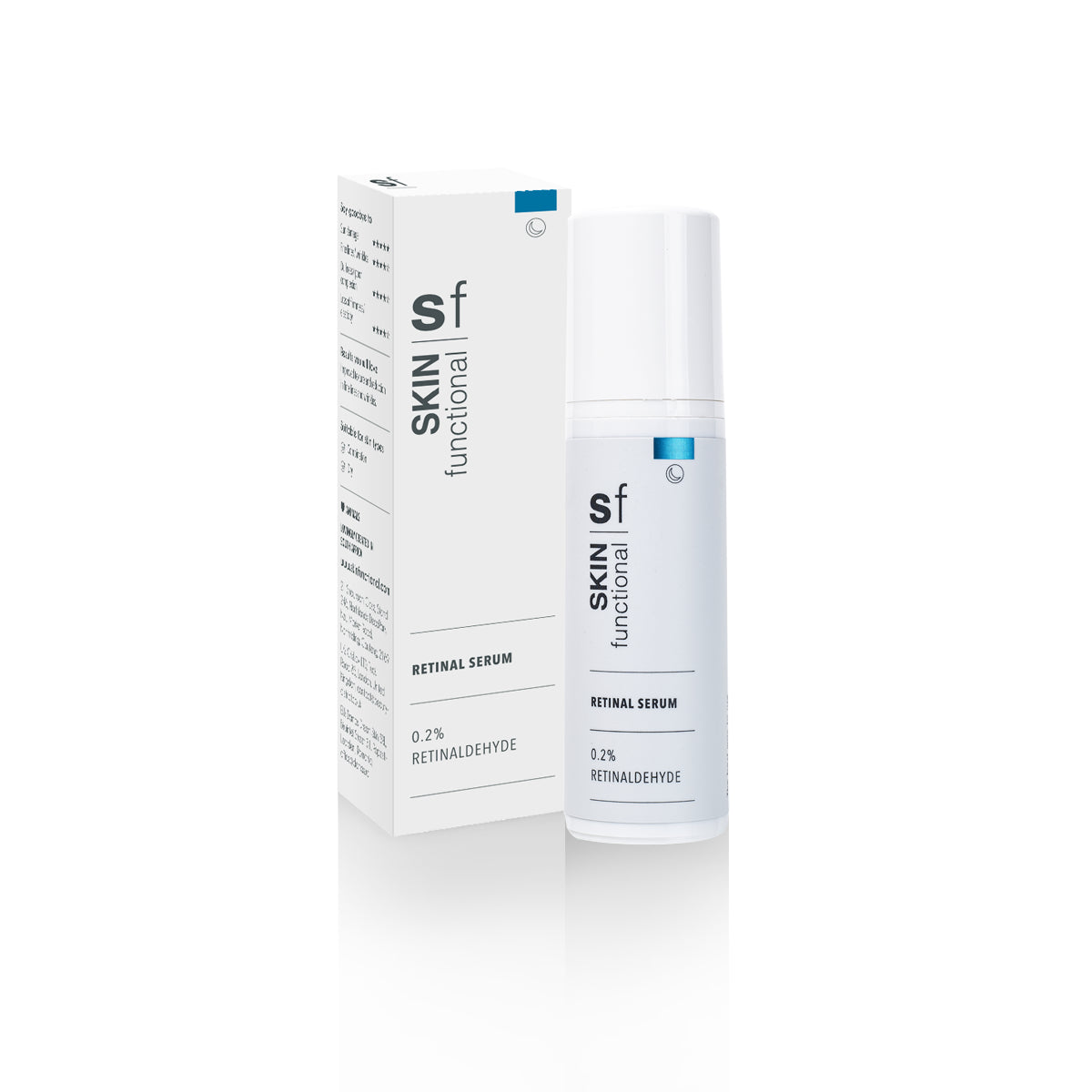
- Retinoids: The gold standard for cellular turnover. Start low with 0,1% Retinaldehyde Serum, progress to 0,2% Retinaldehyde, and for experienced users the 1.5% Retinoid Complex. For sensitive or pregnancy-considerate routines, 0,5% Retinol + 2% Bakuchiol is a gentler bridge.
Critical contraindication: Don't layer a direct BHA peel with a retinoid or high-strength azelaic acid in the same application window. Alternate nights instead, stacking these triggers micro-inflammation and a compromised barrier within a fortnight.
Lifestyle, Diet, and Daily Habits That Influence Clear Skin
Topicals do the heavy lifting, but daily habits decide whether you maintain results. The peer-reviewed evidence points to a few high-leverage moves:
- Lower the glycaemic load. Swap refined carbs for whole grains, legumes, and lower-GI fruit. Studies in the Journal of the Academy of Nutrition and Dietetics link high-GI diets with worsened acne severity.
- Reconsider skim dairy. Whey and casein appear more comedogenic than full-fat dairy for some people: trial a four-week elimination if you suspect it.
- Prioritise sleep. Seven to nine hours regulates cortisol and IGF-1, both implicated in sebum overdrive.
- Move daily, shower promptly. Sweat itself doesn't cause acne, but trapped sweat plus friction does.
- Stop touching your face. Phones, hands, and pillowcases ferry bacteria and oil straight onto inflamed skin.
- Manage stress with structure, yoga, breathwork, therapy. Stress alone won't cause acne but it reliably worsens it.
Consistency over intensity. Six weeks of boring discipline beats six days of aggressive overhauls.
Preventing and Fading Post-Acne Marks and Scarring
Once a lesion heals, two patterns commonly remain: post-inflammatory hyperpigmentation (PIH), brown or dark patches from excess melanin, and post-inflammatory erythema (PIE), pink or red marks from dilated capillaries. On melanin-rich skin in South Africa, PIH is especially persistent and demands a dual-action strategy: clear the active breakout and block the pigment cascade simultaneously.
What actually works:
- Azelaic acid inhibits tyrosinase, the enzyme that produces melanin, without rebound darkening.
- Niacinamide blocks melanosome transfer from melanocytes to keratinocytes.
- Retinoids accelerate turnover so pigmented cells shed faster, pair the 1.5% Retinoid Complex with rigorous SPF.
- Daily SPF 50 is non-negotiable: UV deepens PIH within minutes.
- For deep cystic recovery, our Ultimate Breakouts Bundle, Dry Sensitive Skin and the Ultimate Breakouts Bundle, Combination Oily Skin sequence anti-inflammatory and turnover actives in one routine.
True atrophic or boxcar scarring needs in-clinic intervention, microneedling, subcision, or fractional laser. Read more on PIH guidance from the American Academy of Dermatology for medical context.
The Bottom Line on Clearer Skin in 2026
Clearer skin isn't about chasing the loudest launch, it's about matching the right active to the right lesion, sequencing it properly, and protecting the barrier while you wait for results. Identify your trigger pattern, choose a bundle that fits your skin type, and resist the urge to layer every hero active at once. Within eight to twelve weeks of consistent use, the data on azelaic acid, BHA, niacinamide, and retinoids speaks for itself. If you're unsure where to start, lean on guided routines and ingredient transparency rather than trends. Your skin is a long game, treat it like one.
Frequently Asked Questions About Acne
What causes acne and why does it happen?
Acne vulgaris is a chronic inflammatory disorder driven by four mechanisms: excess sebum production, hyperkeratinization (dead skin cells clogging pores), Cutibacterium acnes proliferation, and inflammation. These factors work together in the pilosebaceous unit, the hair follicle paired with an oil gland.
What are the different types of acne pimples on the face?
Non-inflammatory lesions include blackheads (open comedones) and whiteheads (closed comedones). Inflammatory lesions include papules (red bumps), pustules (with visible pus), nodules (deep and hard), and cysts (large, fluid-filled). Each responds to different treatment actives.
Can dry skin cause acne?
Yes. Dry or dehydrated skin can hyperkeratinize, trapping dead cells over follicles and triggering closed comedones. Harsh products strip the barrier and provoke reactive sebum and flaking, creating a feedback loop that worsens breakouts.
What are the best acne treatment actives and how should I use them?
Hero actives include azelaic acid (anti-inflammatory, anti-bacterial), BHA/salicylic acid (for oily congestion), niacinamide (sebum-regulating), and retinoids (cellular turnover). Alternate these on different nights-don't layer BHA with retinoids simultaneously, as this triggers micro-inflammation.
How long does it take to see results from acne treatment?
Within eight to twelve weeks of consistent use with science-backed actives like azelaic acid, BHA, niacinamide, and retinoids, most people see measurable improvement. Consistency matters more than intensity-six weeks of discipline beats aggressive short-term overhauls.
What lifestyle changes help prevent acne breakouts?
Lower glycaemic load (swap refined carbs for whole grains), prioritise 7-9 hours of sleep, shower promptly after sweating, avoid touching your face, manage stress, and reconsider skim dairy if suspected. Stop touching your face and change gym clothes immediately to reduce friction-triggered breakouts.