
Hyperpigmentation

Best products to treat hyperpigmentation
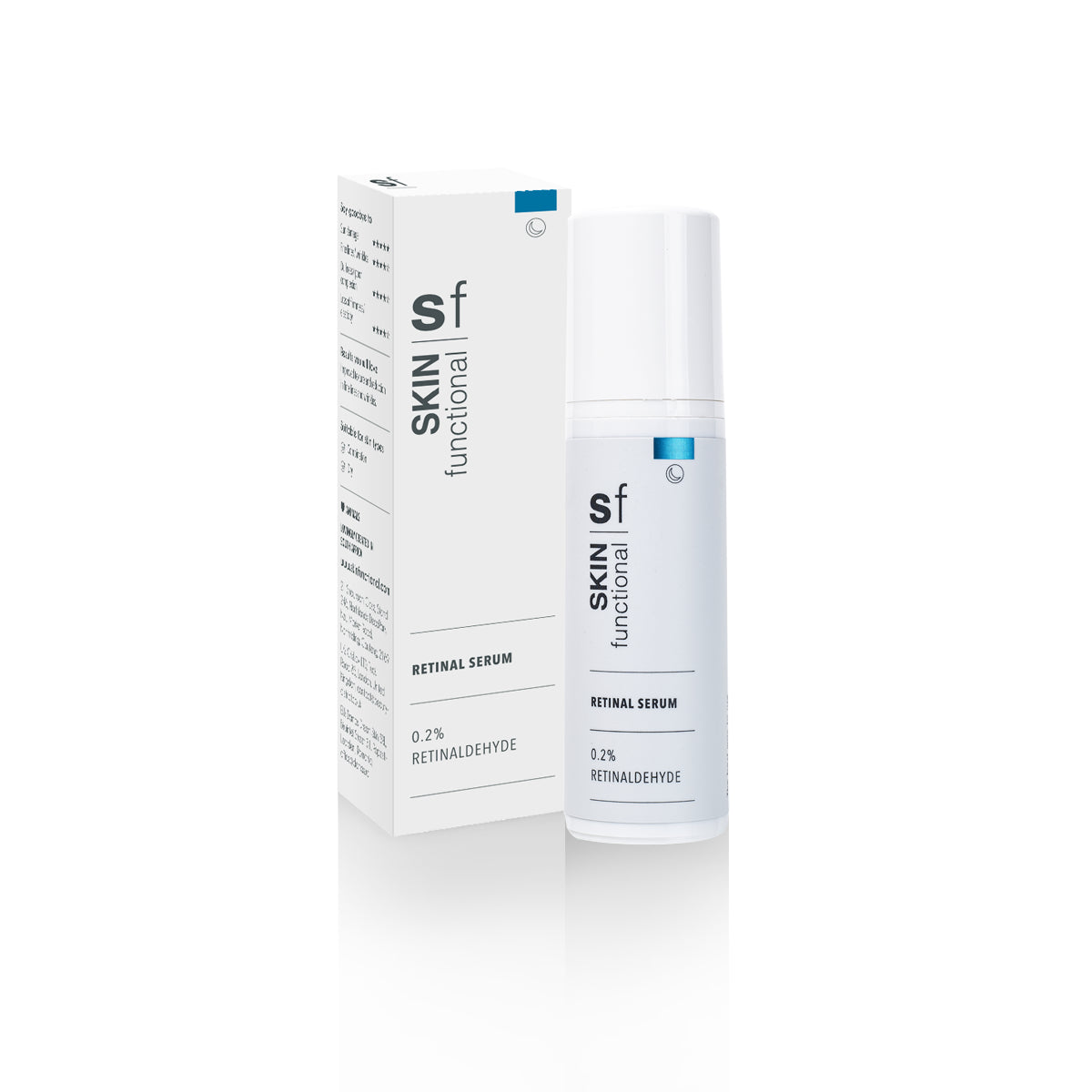
Hyperpigmentation is one of the most difficult skin concerns to manage, because it comes in different forms and sits in different layers of the skin, sometimes the deepest ones. From melasma and liver spots to post-inflammatory hyperpigmentation, it can be overwhelming to work out what will actually help. It is also a long-term management concern rather than a one-off fix, fluctuating between darker and lighter depending on cosmetic ingredients, weather and hormones. Below are the actives with real evidence behind them, and what each one is best at. Every one of them only works when formulated at a sensible concentration, which is why the percentage matters as much as the ingredient name. If you want the routine rather than the ingredient list, our guide to how to treat and prevent hyperpigmentation covers AM and PM layering, what not to combine, and realistic timelines. Retinoids Retinoids are vitamin A derivatives that treat hyperpigmentation by speeding up the natural skin cell turnover rate, which encourages a more even complexion. This is the multitasking option, with anti-ageing benefits alongside the pigment work. SKIN functional carries retinoids at several strengths, so you can build tolerance rather than starting at the top. Products to try: Oil Based Vitamin A with 0.3% Retinol Vitamin A Serum with 0.5% Retinol The Powerful Vitamin A with 0.1% Retinaldehyde Oil Based Vitamin A with 1% Retinol Alpha Arbutin Arbutin is derived from bearberry (uva-ursi) and works as a gentle but effective brightening agent. It inhibits tyrosinase, the enzyme that starts melanin production, which means less new pigment and fewer dark spots over time. It has one of the lowest irritation profiles of any brightening active, which makes it a sensible starting point for sensitive or melanin-rich skin. Product to try: Dark Mark Management with 2% Alpha Arbutin + Hyper-Brite Complex, from the alpha arbutin range L-Ascorbic Acid L-Ascorbic Acid is the most potent form of vitamin C and works as an antioxidant, neutralising free radicals from UV exposure before they can trigger new pigment. It addresses existing hyperpigmentation indirectly, by brightening overall tone and reducing the contrast between a dark spot and the skin around it. Product to try: Anti-oxidant Complexion Firmer with 10% Ascorbic Acid + 3% Ferulic Acid Beta Hydroxy Acids and Alpha Hydroxy Acids Beta Hydroxy Acids (BHA) like salicylic acid, and Alpha Hydroxy Acids (AHA) like glycolic and lactic, are usually associated with breakouts, but they also help fade hyperpigmentation marks by clearing pigmented cells from the surface faster. BHA suits oily and acne-prone skin best, and you can alternate BHA and AHA across the week rather than using both on the same night. Products to try: Gentle Exfoliating Tonic with 6% Mandelic Acid Exfoliating Facial with 10% Lactic Acid + 3% B5 Salicylic Acid Cleansing Complex Texture and Blemish Tonic with 2% BHA Exfoliating Facial 2 with 30% Amino Hydroxy Complex Mandelic Acid Mandelic acid has a large molecular size, which means slow, controlled penetration into the skin. That is exactly what you want on sensitive skin, dry skin and deeper skin tones, where aggressive exfoliation can trigger the rebound pigmentation you are trying to prevent. It works as an exfoliant, lifting dead cells and promoting turnover for a brighter, more even tone. Product to try: Gentle Exfoliating Tonic with 6% Mandelic Acid Glycolic Acid Glycolic acid is another AHA, smaller-moleculed and faster-acting than mandelic. It targets stubborn dark spots and exfoliates to reveal brighter skin underneath. Approach it carefully on deeper skin tones, where high-percentage glycolic without supervision can cause more pigmentation than it clears. Products to try: Exfoliating Glow Tonic with 6% Glycolic Acid Exfoliating Facial 2 with 30% Amino Hydroxy Complex Azelaic Acid Like alpha arbutin, azelaic acid is a tyrosinase inhibitor, so it interferes with melanin production and blocks abnormal pigment formation. That makes it effective on both sun spots and melasma. It is also anti-inflammatory, which is why it is the obvious pick if you tend to get dark marks after pimples and breakouts. Product to try: Multi-tasking Fixer with 10% Azelaic Acid, from the azelaic acid range Spot Treatments Breakouts and acne cause post-inflammatory hyperpigmentation, so treating spots early prevents the mark that follows. And never squeeze a pimple. It is tempting, but squeezing drives more swelling and redness, and the dark mark or scar left behind takes far longer to clear than the spot would have. Product to try: Blemish Corrector with 10% Niacinamide Sunscreen SPF 50 Sunscreen is not one option among several here, it is the one that makes the others work. UV drives new pigment and undoes the progress every active above is making. A lightweight broad-spectrum SPF 50 protects against UVA and UVB and adds antioxidant benefit on top. Product to try: Sunscreen SPF 50, from the sunscreen range Where to start You do not need all of these. Pick one pigment-targeting active, pair it with daily SPF 50, and give it a full skin cycle before judging results. Every active covered here is available in the pigmentation range, and if you are not sure which suits your skin, our guide to how to treat and prevent hyperpigmentation walks through matching an active to your type of mark.
Read more