
Hyperpigmentation is one of the most-searched skin concerns in South Africa, and for good reason. Between our high UV index, hormonal shifts, post-acne marks, and melanin-rich complexions that scar easily, dark patches show up uninvited and overstay their welcome. Fading them is less about chasing the loudest "brightening" claim and more about understanding your own pigment: which type you have, what keeps triggering it, and how to protect your progress every single day. This guide unpacks what causes pigmentation, how the main actives work at a cellular level, how to match an active to your type of mark, and how to build a routine that fades pigmentation without triggering it to rebound, a real risk for Fitzpatrick IV to VI skin. When you are ready to shop, browse the full pigmentation range.
What Is Pigmentation and Why Does It Appear on South African Skin?
So, what is pigmentation, really? In simple terms, pigmentation is the colour of your skin produced by melanin, a pigment made by specialised cells called melanocytes. Hyperpigmentation happens when those cells overproduce melanin in response to a trigger (UV, hormones, inflammation), depositing excess pigment in patches, spots, or diffuse zones.
South African skin sits across a wide Fitzpatrick spectrum, with a large proportion of Type IV to VI complexions that are more reactive to inflammation. That means a small breakout, an aggressive peel, or even a hot shower abrasion can leave a mark that lingers for months. Add our intense year-round UV, especially through highveld and Western Cape summers, and you have the perfect environment for stubborn pigmentation to form and recur.
Every skin tone develops hyperpigmentation. Deeper tones simply carry a higher risk of the post-inflammatory kind, because more active melanocytes respond more strongly to inflammation. A mark that fades in a few weeks on lighter skin can sit for months on deeper skin. That is an argument for treating early and protecting daily, not for assuming the problem is unavoidable.
Common Types of Hyperpigmentation: Melasma, PIH, and Sun Spots
Not all dark marks are created equal, and treating them as one concern is the fastest route to disappointment.
- Melasma: Symmetrical brown or grey-brown patches, usually on the cheeks, forehead, upper lip, and jawline. Driven by hormones and worsened by UV and heat. It is most common in women between roughly 20 and 40, and common enough in pregnancy to have earned the name "the mask of pregnancy".
- Post-Inflammatory Hyperpigmentation (PIH): Flat brown or black marks left behind after acne, eczema, ingrowns, or shaving irritation. Very common in melanin-dense skin.
- Post-Inflammatory Erythema (PIE): Often confused with PIH, but it is actually vascular, red or purple marks from dilated capillaries. Niacinamide and azelaic acid help, tyrosinase inhibitors will not.
- Solar lentigines (sun spots): Sharp-edged brown spots on sun-exposed zones such as hands, décolleté and temples, from cumulative UV damage.
- Freckles: Genetically determined rather than acquired, so not strictly a pigmentation disorder. They darken with UV exposure in exactly the same way and respond to the same protective measures. If freckles are deepening year on year, treat that as a sun exposure signal worth acting on.
Top Triggers: Sun Exposure, Hormones, Acne, and Inflammation
The melanogenesis cascade is simple to map: a trigger (UVA/UVB, heat, oestrogen surge, inflammatory cytokines) activates tyrosinase, which converts tyrosine into melanin inside melanosomes. Those melanosomes then transfer to keratinocytes and travel to the surface as a visible spot. Every effective dark spot corrector interrupts at least one of those steps, which is exactly how we will frame the actives below.
Hormonal contraceptives belong on this list alongside pregnancy. Oestrogen and progesterone both increase how reactive melanocytes are to UV, so starting or changing a contraceptive can bring on melasma in someone predisposed to it. Stopping it does not reliably clear existing patches, which is why ongoing management matters more than reversal here.
How Pigment Forms and How Active Ingredients Interrupt It
A pigment-correcting active is not bleach, and it is not magic. It is a precisely formulated active that targets one or more steps in the pigment cycle.
- Trigger neutralisation: antioxidants like vitamin C and ferulic acid mop up free radicals from UV and pollution before they signal melanocytes.
- Tyrosinase inhibition: actives like alpha arbutin, azelaic acid, and tranexamic acid slow the enzyme that builds melanin.
- Melanosome transfer blockade: niacinamide reduces the handover of pigment from melanocytes to surface skin cells.
- Accelerated cell turnover: AHAs, BHAs, and retinaldehyde lift pigmented cells off the surface faster, revealing fresher skin underneath.
A well-built formula, like our 10% Ascorbic Acid + 3% Ferulic Acid Serum, works on multiple pathways at once. That is the difference between a marketing serum and a functional one: targeted concentration, disclosed pH, and ingredient synergy.
The Hero Actives That Remove Dark Spots Effectively
If you want to remove dark spots without trial and error, learn the actives. Below are the molecules with the strongest clinical evidence, what they do, and where they shine.
Azelaic Acid, Tranexamic Acid, and Niacinamide
- Azelaic Acid (10 to 20%): A dicarboxylic acid that inhibits tyrosinase, calms inflammation, and is safe in pregnancy. Brilliant for PIH, melasma, and rosacea-adjacent redness. Gentle enough for sensitive Fitzpatrick V to VI skin.
- Tranexamic Acid (2 to 5% topical): Originally an antifibrinolytic, it interrupts the UV-keratinocyte-melanocyte signalling loop.Particularly effective for melasma and hormonal pigmentation that other actives cannot budge, which is why our tranexamic acid serum pairs it with hexylresorcinol for a two-pronged approach. Pair it with daily SPF for compounding results.
- Resorcinols (hexylresorcinol, butylresorcinol): Tyrosinase inhibitors that block the enzyme starting melanin production rather than treating pigment after it has formed. Frequently paired with tranexamic acid, which approaches the problem from two directions at once. That combination is aimed squarely at stubborn, recurring pigmentation.
- Niacinamide (4 to 10%): Vitamin B3. Blocks melanosome transfer, strengthens the lipid barrier, regulates sebum, and reduces PIE redness. The diplomat of skincare, plays well with almost everything.
For melasma and hormonal blemishes, our Sun induced and hormonal blemishes formula combines these pathways for compounding results.

Vitamin C, Alpha Arbutin, and Exfoliating Acids (AHA/BHA)
- L-Ascorbic Acid (10 to 20%, pH 2.5 to 3.5): Antioxidant powerhouse that quenches UV-induced free radicals and inhibits tyrosinase. Stabilised with ferulic acid, as in our 10% Ascorbic Acid + 3% Ferulic Acid Serum, it doubles antioxidant capacity.
- Alpha Arbutin (1 to 2%): A gentler, slower tyrosinase inhibitor derived from bearberry. Ideal for sensitive skin or as a maintenance active. Weighing this against niacinamide? See our full comparison of niacinamide vs alpha arbutin for pigmentation.
- AHAs (glycolic, lactic, mandelic) and BHA (salicylic): Accelerate the shedding of pigmented keratinocytes. Our 30% Amino Hydroxy Complex Exfoliating Serum uses amino-acid-buffered AHAs to exfoliate without the sting, critical for melanin-rich skin where aggressive acids can trigger rebound pigmentation.
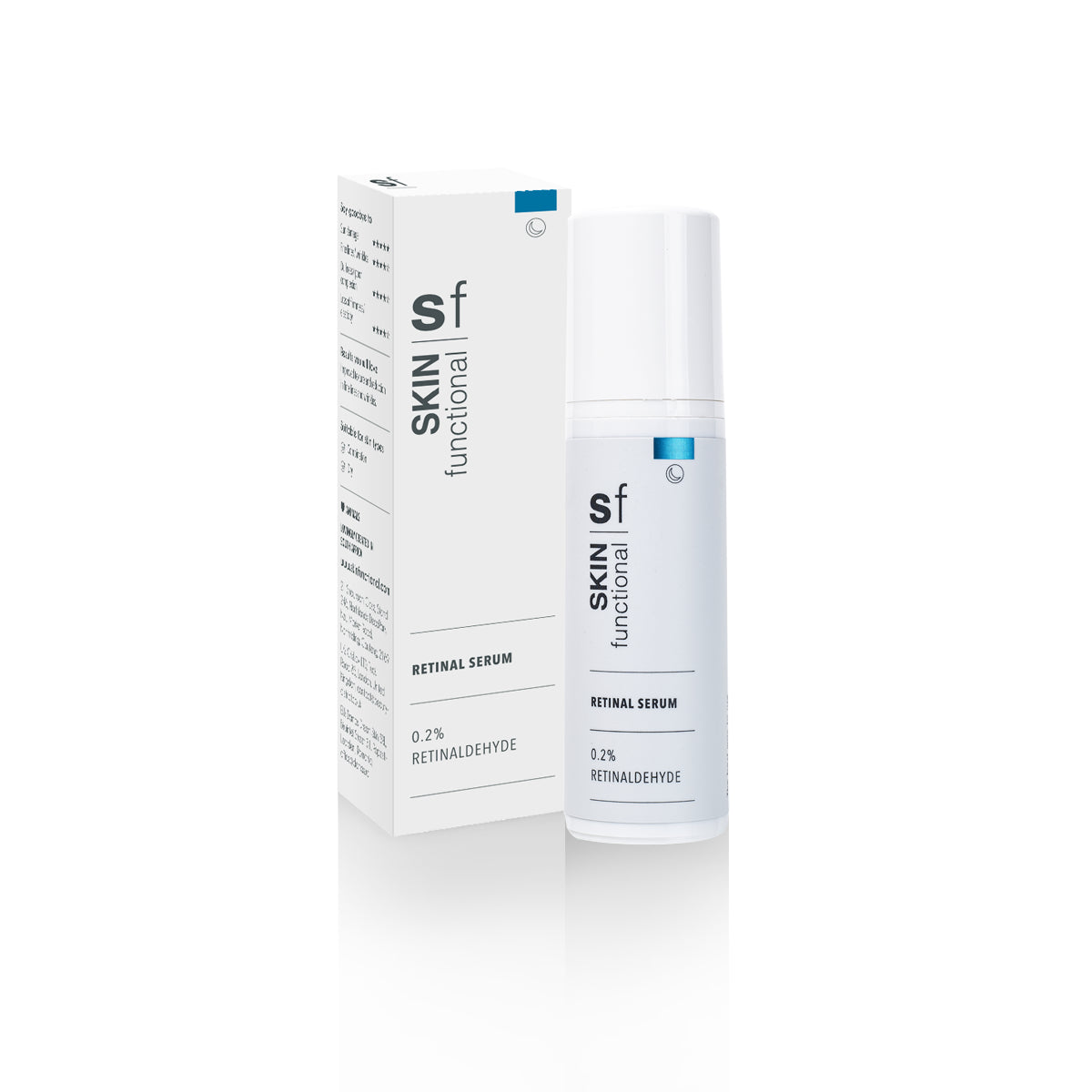
- Retinaldehyde: One step from retinoic acid, it speeds turnover and fades pigment with less irritation than retinol. Try our 0.1% Retinaldehyde Serum at night, three times weekly to start. If you prefer to build tolerance gradually, you can also explore our 0.3%, 0.5%, and 1% Retinol hierarchy or read our dedicated Retinol beginner guide.
- Bakuchiol: For pregnancy or retinoid-sensitive routines, our 1% Bakuchiol + 1% Vitamin A, C + E offers a gentler retinol alternative backed by comparative clinical research.
How to Choose the Right Pigmentation Serum for Your Skin Type and Concern
Matching an active to your pigmentation comes down to three honest questions: what type of mark do I have, what is my skin type and Fitzpatrick, and what is my tolerance for actives right now?
- Oily, acne-prone with PIH: Lean into azelaic acid, salicylic acid, and niacinamide. Our Pigmentation Skincare Set for Oily Skin sequences these correctly so you are not stacking irritants.
- Dry, sensitive, or reactive skin: Start with tranexamic acid, alpha arbutin, and niacinamide before introducing acids. The Pigmentation Skincare Set for Dry and Sensitive Skin is built around barrier-first sequencing.
- Melasma or hormonal pigmentation: Tranexamic acid is your anchor. Layer with vitamin C in the AM and consider our Sun induced and hormonal blemishes, Sensitive Skin formula if you flush easily.
- Fitzpatrick IV to VI: Avoid high-percentage glycolic peels without supervision. Aggressive exfoliation can trigger protective inflammatory pigmentation, the rebound effect, leaving you darker than you started. Choose buffered AHAs, mandelic acid, azelaic acid, and tranexamic acid. Mandelic acid's large molecular size enables slow, controlled epidermal penetration without provoking reactive melanogenesis.
If you are unsure, our free AI Skin Analysis matches concern to formula without the guesswork.
How to Remove Black Spots: Building a Results-Driven Routine
The internet is full of conflicting advice on how to remove black spots. The truth is unglamorous: consistency over intensity. Pigment did not form in a week, and it will not fade in one. Expect 8 to 12 weeks for meaningful change, and 4 to 6 months for deep dermal melasma.
The non-negotiable foundation is daily broad-spectrum SPF 50. Without it, every serum you apply is essentially being undone by lunchtime UV. The Cancer Association of South Africa (CANSA) and dermatology consensus both reinforce this: topical pigment correctors require a continuous daytime shield. Antioxidant plus sunscreen synergy is the single highest-leverage move you can make.
AM and PM Placement, Layering Order, and What to Avoid Combining
AM routine:
- Gentle cleanser (2% Amino Acid Blend)
- Antioxidant step (vitamin C + ferulic)
- Niacinamide or tranexamic acid (optional layer)
- Moisturiser
- Broad-spectrum SPF 50, every day, rain or shine
PM routine:
- Cleanse
- Treatment serum (retinaldehyde or exfoliating acid, never both the same night)
- Azelaic acid or tranexamic acid
- Barrier-supporting moisturiser
What not to combine:
- Vitamin C with AHA or BHA in the same step (pH conflict, irritation risk)
- Retinaldehyde with exfoliating acids on the same night
- Multiple new actives introduced at once, phase them in over 2 to 3 weeks
Patch test on the jawline for 3 to 5 nights before full-face use, especially for melanin-rich skin.
How to Stop Hyperpigmentation Coming Back
Pigmentation comes back for one main reason: the trigger is still there. Fading a dark mark clears what is already on the surface, but the melanocytes that made it stay ready to fire again the moment they are provoked. Preventing recurrence is about removing the provocation and holding a light maintenance routine once your skin is clear.
It also helps to know that pigmentation fluctuates rather than sitting still. Marks commonly darken over a high UV summer and lighten again through winter, so a single bad month is not evidence that a routine has stopped working. Judge progress over a season, not a fortnight.
Wear SPF 50 every single day. UV is the biggest driver of pigment on South African skin, and it is the one trigger you can control completely. A daily broad-spectrum SPF 50, applied every morning and reapplied through the day when you are outdoors, protects the progress your actives have made. Without it, pigment reduction is undermined by fresh UV-induced melanin.
Deal with the trigger, not just the mark. Post-inflammatory marks come from inflammation, so treat breakouts early, never pick or squeeze, and calm irritation quickly. Hormonal pigmentation such as melasma needs UV discipline year round, because heat and light set it off even through cloud.
Do not overlook heat. Hot baths, steam rooms and saunas all increase the inflammatory response that drives pigment production, independently of sun exposure. If melasma is your concern, that matters as much as UV.
Stay gentle if your skin is melanin-rich. Fitzpatrick IV to VI skin scars easily, so over-exfoliation or an aggressive active can cause the exact rebound pigmentation you are trying to prevent. Introduce actives slowly and stop if skin looks irritated.
Keep a maintenance active going. Once your marks have cleared you do not stop entirely. A lower-frequency tyrosinase inhibitor, such as alpha arbutin or a gentle vitamin C, keeps melanocytes quiet. Browse the pigmentation range for a maintenance-strength option.
When to Have a Dark Spot Checked
Most dark spots are cosmetic. A small number are not. Have a spot assessed by a doctor or dermatologist if it bleeds, itches persistently, changes shape, changes colour, or grows. The same applies to any spot that looks noticeably different from the others on your skin. Pigmentation actives are not the right response to a lesion that is changing, and delaying assessment to try skincare first is not worth the risk.
The Bottom Line
Fading hyperpigmentation in South Africa is not about the strongest acid or the trendiest serum. It is about matching the right active to your specific pigment pathway, layering it correctly, and shielding it with SPF 50 every single day. Whether you are tackling melasma, PIH, or sun spots, the formula is the same: identify the trigger, interrupt tyrosinase, support the barrier, and stay consistent for at least three months. Browse our full Pigmentation collection to find the serum or set built for your skin type, and remember, the goal is not lighter skin, it is even, healthy skin.
Frequently Asked Questions About Hyperpigmentation Treatment Serums in South Africa
What is hyperpigmentation and what causes it in South African skin?
Hyperpigmentation occurs when melanocytes overproduce melanin in response to triggers like UV exposure, hormones, or inflammation. South African skin, especially Fitzpatrick IV to VI complexions, is particularly prone to hyperpigmentation due to intense year-round UV and higher reactivity to inflammation from breakouts or skin abrasion.
What is the difference between melasma, PIH, and sun spots?
Melasma causes symmetrical brown patches on cheeks and forehead, driven by hormones and UV. Post-Inflammatory Hyperpigmentation (PIH) appears as flat marks after acne or irritation. Sun spots are sharp-edged brown spots on sun-exposed areas from cumulative UV damage. Each requires targeted treatment approaches.
How do hyperpigmentation treatment serums work at a cellular level?
Pigment-correcting actives interrupt the pigment cycle through four pathways: trigger neutralisation with antioxidants, tyrosinase inhibition with actives like azelaic acid, melanosome transfer blockade with niacinamide, and accelerated cell turnover with AHAs or retinaldehyde.
What are the most effective active ingredients for treating hyperpigmentation?
Key actives include azelaic acid (10 to 20%) for PIH and melasma, tranexamic acid (2 to 5%) for hormonal pigmentation, niacinamide (4 to 10%) to block pigment transfer, vitamin C (10 to 20%, pH 2.5 to 3.5) as an antioxidant, and retinaldehyde (0.1%) for accelerated cell turnover.
How long does it take to see results from a hyperpigmentation treatment serum?
Expect 8 to 12 weeks for meaningful visible change and 4 to 6 months for deep dermal melasma to fade. Consistency is critical: apply actives regularly alongside daily SPF 50. Without sunscreen, pigment reduction is undermined by ongoing UV-induced melanin production.
Can I use multiple actives together to speed up hyperpigmentation treatment?
Avoid combining vitamin C with AHAs or BHAs in the same step due to pH conflicts, retinaldehyde with exfoliating acids on the same night, or multiple new actives simultaneously. Introduce actives gradually over 2 to 3 weeks and patch test for 3 to 5 nights before full-face application, especially if you have melanin-rich skin.
Does hyperpigmentation only affect deeper skin tones?
No. All skin tones develop hyperpigmentation, but deeper tones carry a higher risk of post-inflammatory hyperpigmentation because more active melanocytes respond more strongly to inflammation. A mark that fades in weeks on lighter skin can persist for months on deeper skin, which is why early treatment and daily SPF matter more, not less.
Can hyperpigmentation come back once it has faded?
Yes. Hyperpigmentation is a condition you manage rather than cure. The melanocytes that produced the pigment are still there and will respond again to sun, heat, hormones or fresh inflammation. Marks can darken seasonally, particularly over a high UV summer. Ongoing SPF and maintenance actives are what hold the result.
Can oral contraceptives cause pigmentation?
Hormonal contraceptives can trigger melasma in people predisposed to it. Oestrogen and progesterone make melanocytes more reactive to UV, so patches often appear across the cheeks, forehead or upper lip. Stopping the contraceptive does not always clear it. Daily SPF and tyrosinase inhibitors remain the practical management route.
Are you too young for dark spots in your twenties?
No. Pigmentation is not an ageing concern alone. People in their twenties develop dark marks from sun exposure, hormonal contraceptives, pregnancy, and inflammatory conditions such as acne and eczema. Post-acne marks are the most common form in younger skin. Starting SPF and pigment-targeting actives early prevents marks compounding over the following decade.